


Description
Key Takeaways
-
Solar panel systems turn sunlight into clean electricity.
-
They reduce power bills and protect the environment.
-
There are different types: monocrystalline, polycrystalline, and thin-film.
-
Prices vary depending on brand, wattage, and quality.
-
Good brands include Jinko, Canadian Solar, Trina, and LONGi.
-
Performance depends on efficiency, durability, and weather conditions.
-
Buying from trusted suppliers like Water Equation & Solar System Ltd ensures quality and support.
What Are Solar Panel Systems?
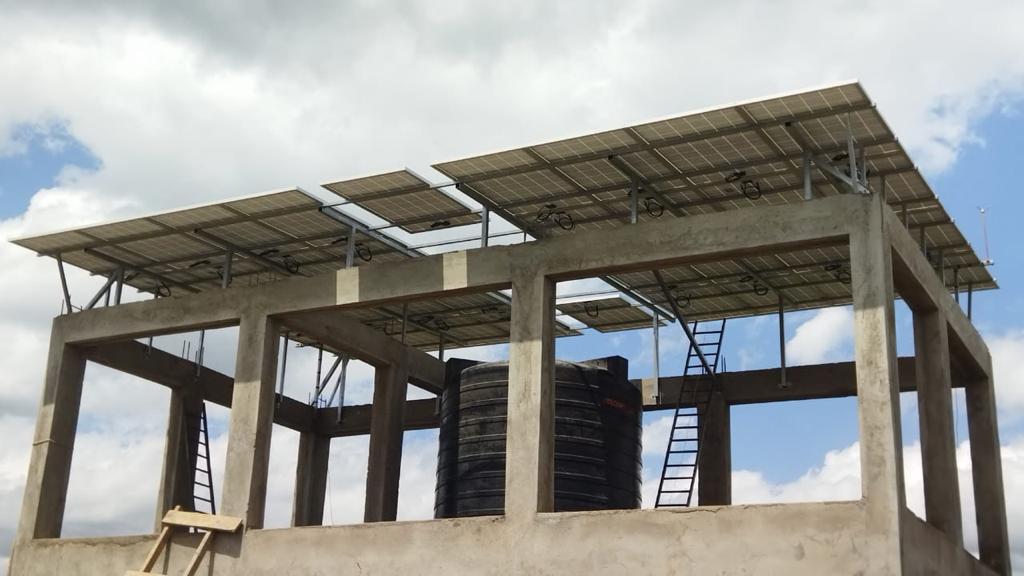
Solar panel systems are modern energy solutions that change sunlight into usable electricity. They are made of special materials that capture light and turn it into power. People use these systems to run lights, charge phones, power fridges, or even give energy to big companies. Many families and businesses choose solar panel systems because they save money and help fight climate change.
Unlike fossil fuels, solar energy is clean, safe, and free from harmful gases. Once you install a system, the sunlight is free forever. That is why solar power has become one of the fastest-growing sources of energy worldwide.
Why Choose Solar Panel Systems?
There are many reasons why more people now prefer solar panel systems. One big reason is cost savings. When you produce your own energy, you buy less from the national grid. Over time, this saves a lot of money.
Another reason is independence. In many areas, electricity is not reliable. Power cuts can stop business or disturb family life. With solar panel systems, you can store energy in batteries and use it even when the grid is off.
They also add value to property. A home with solar panels looks modern and is attractive to buyers. People know they will save money on bills.
Types of Solar Panel Systems
Not all solar panel systems are the same. There are three main types you should know:
1. Monocrystalline Solar Panels
-
Made from single-crystal silicon.
-
Very efficient, usually 18–22%.
-
Work well in small spaces because they give more power per square meter.
-
Cost is higher but they last longer.
2. Polycrystalline Solar Panels
-
Made from many silicon crystals.
-
Slightly lower efficiency, 15–17%.
-
More affordable than monocrystalline.
-
Good for medium and large installations.
3. Thin-Film Solar Panels
-
Made from layers of different materials.
-
Flexible and lightweight.
-
Efficiency around 10–13%.
-
Best for special uses like portable systems, boats, or weak rooftops.
Popular Brands of Solar Panel Systems
When buying solar panel systems, the brand matters. Here are some trusted names:
-
Jinko Solar: Known for strong efficiency and affordable prices.
-
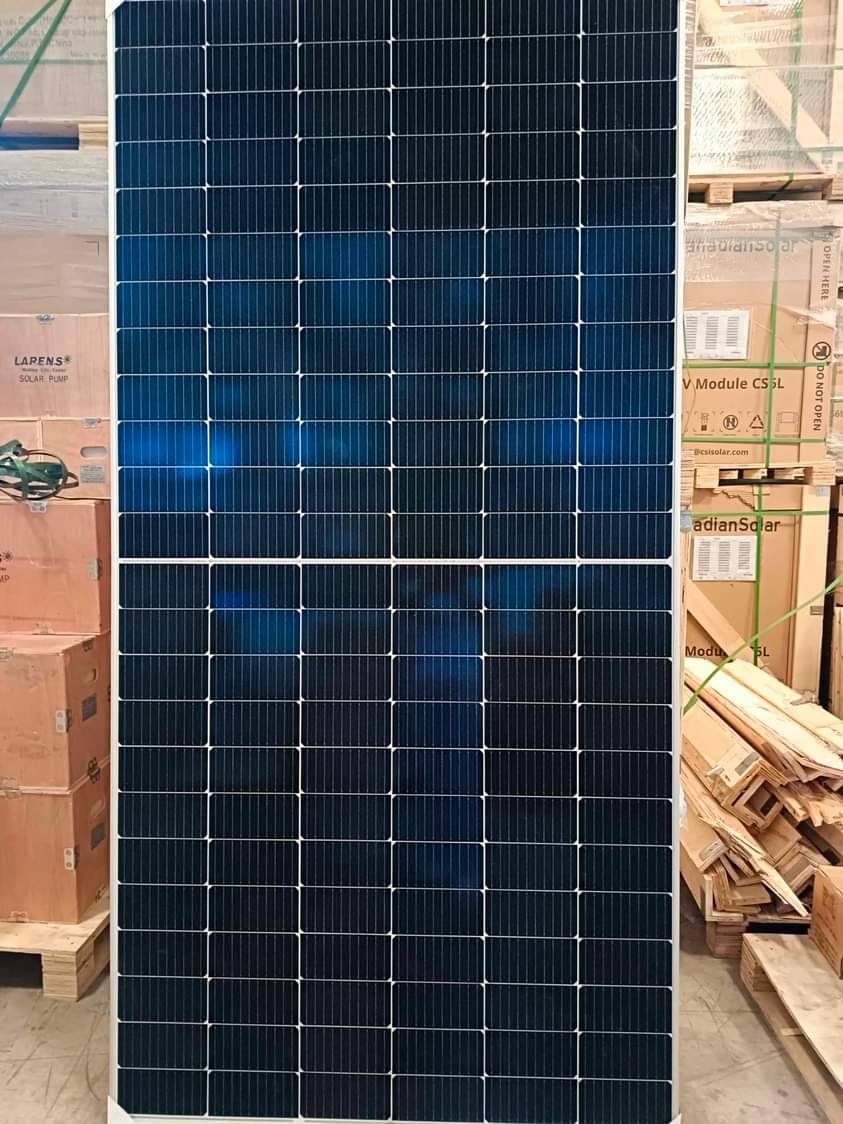
Canadian Solar: Offers good performance and durability.
-
Trina Solar: Famous for large-scale systems and long warranty.
-
LONGi Solar: High efficiency and modern technology.
-
JA Solar: Balanced between quality and price.
Prices of Solar Panel Systems
Prices depend on type, wattage, and brand. Below is a guide to help:
| Brand | Wattage (W) | Price Range (USD) | Price Range (KES) |
|---|---|---|---|
| Jinko Solar | 435–460W | $120–$180 | KES 10,000–13,000 |
| Canadian Solar | 405–450W | $130–$190 | KES 9,500–13,500 |
| Trina Solar | 400–500W | $140–$200 | KES 8,000–13,000 |
| LONGi Solar | 450–550W | $150–$220 | KES 9,500–14,000 |
| JA Solar | 440–480W | $135–$195 | KES 9,000–13,000 |
(Note: Prices may change depending on supplier and exchange rates.)
Performance Curves of Solar Panel Systems
Performance curves show how much electricity panels produce in different conditions.
-
High Sunlight: Panels give close to maximum power. For example, a 460W panel may produce 440–460W at peak sunlight.
-
Cloudy Weather: Production drops, maybe to 200–250W.
-
High Temperature: Panels work less efficiently when very hot, but modern brands design panels to handle this better.
-
Angle of Roof: Panels tilted at the right angle produce more electricity.
Here is a sample performance curve for a 450W panel:
| Time of Day | Average Output (W) |
|---|---|
| 7:00 AM | 50 |
| 9:00 AM | 150 |
| 12:00 PM | 440 |
| 2:00 PM | 450 |
| 5:00 PM | 200 |
| 6:30 PM | 50 |
This shows that power is highest around midday when the sun is strongest.
Factors to Consider Before Buying
Before you choose solar panel systems, check these points:
-
Your Energy Needs – Count how many lights, appliances, or machines you want to power.
-
Roof Space – Small roofs may need more efficient panels.
-
Budget – Decide how much you can spend.
-
Battery Storage – If you want power at night, add batteries.
-
Inverter Quality – A good inverter ensures smooth electricity.
Benefits of Solar Panel Systems
-
Save up to 60–80% on power bills.
-
Clean and renewable source of energy.
-
Long lifespan, often 25 years or more.
-
Low maintenance cost.
-
Can be combined with grid power.
Where to Buy Solar Panel Systems
In Kenya, one of the best places to buy is Water Equation & Solar System Ltd. They offer quality brands, professional installation, and after-sales service. Whether you need a small home setup or a big business system, they can guide you.
You can contact them for prices, installation, and support. Buying from trusted suppliers means you get genuine products and a warranty.
Conclusion
Solar panel systems are no longer just for the future—they are for today. They give clean power, save money, and reduce pressure on the environment. With many brands, types, and price options, anyone can find a system that fits their needs. The key is to choose the right size, type, and supplier. Companies like Water Equation & Solar System Ltd make this choice easier by providing reliable products and services.
If you invest in solar panel systems now, you are not only saving money but also protecting the planet for future generations.


Reviews
There are no reviews yet.