


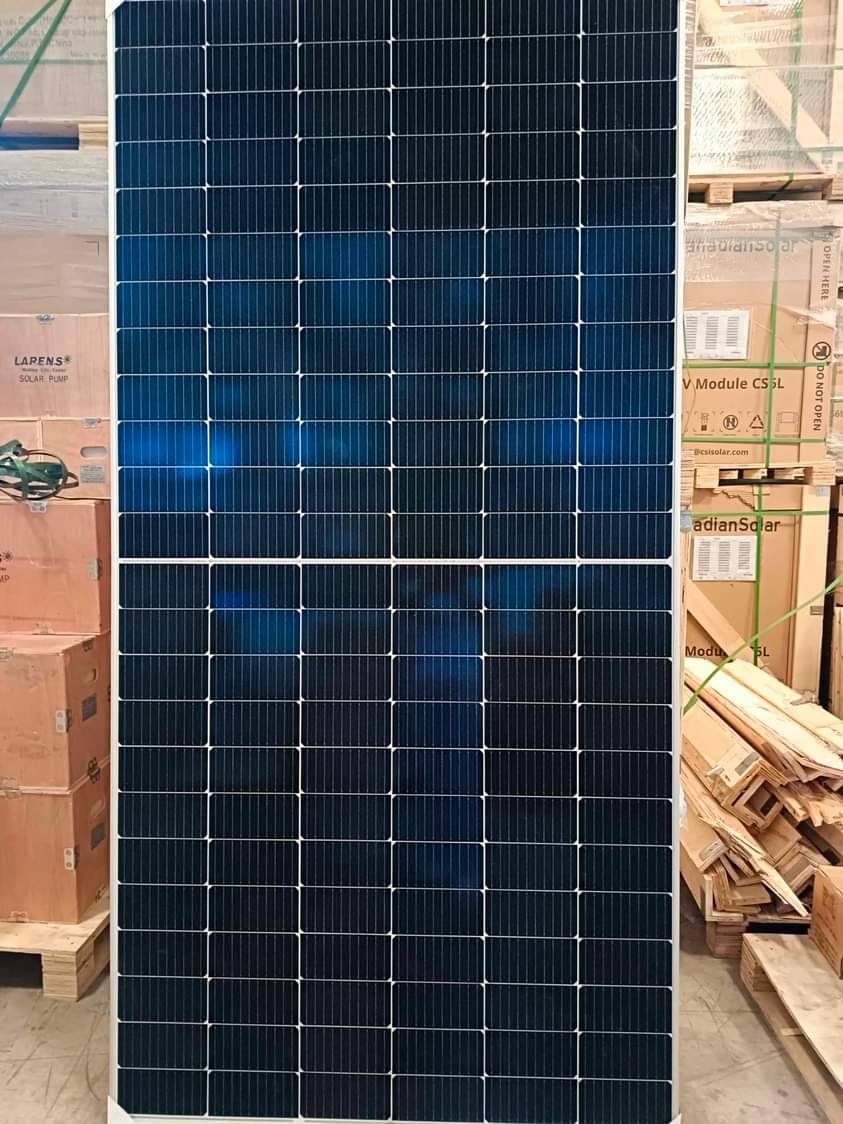

Description
Key Takeaways
-
Learning how to make a solar panel helps you understand clean energy and save money.
-
There are different types of solar panels: monocrystalline, polycrystalline, and thin film.
-
Popular brands include Jinko, Canadian Solar, Longi, and Trina.
-
Prices vary from $120 to $300 for a 300–400 watt panel.
-
Performance curves and datasheets show how solar panels work under light and heat.
-
Materials needed: solar cells, glass sheet, frame, soldering kit, and junction box.
-
You can buy ready-made panels and DIY kits at Water Equation & Solar System Ltd.
-
Solar energy is a long-term investment that lowers electricity bills and protects the planet.
Why Learn How to Make a Solar Panel
Many people today are looking for clean, safe, and cheap energy. The sun gives us free power every day. If you know how to make a solar panel, you can use this free energy to power lights, charge devices, or even run a small home system. Solar panels are also good for schools, farms, and shops that want to reduce their electricity bills. By making your own panel, you will also learn skills in science, electricity, and technology.
What You Need to Know Before Starting
Before we explain how to make a solar panel, it is important to know some basic facts:
-
Solar panels are made of solar cells. These cells are usually silicon and can change sunlight into electricity.
-
Wiring is needed. You must connect cells together in series or parallel to reach the right voltage and current.
-
Glass and frame are used. These parts protect the solar cells from rain, wind, and dust.
-
A junction box is added. This part allows electricity to flow safely from the panel to your battery or inverter.
Step-by-Step Guide on How to Make a Solar Panel
Step 1: Gather the Materials
-
Solar cells (monocrystalline or polycrystalline)
-
Clear glass sheet (about 3–4 mm thick)
-
Aluminum frame
-
EVA sheet (plastic layer to hold the cells)
-
Backsheet (white or black layer for protection)
-
Soldering iron and solder wire
-
Bus wire and tabbing wire
-
Junction box with diodes
-
Silicone glue or lamination machine
Step 2: Arrange the Solar Cells
Place the solar cells on the EVA sheet in rows. For a 12V panel, connect about 36 cells in series. If you want a 24V panel, connect about 72 cells. Make sure they are aligned and not touching each other.
Step 3: Connect the Cells
Use the soldering iron, tabbing wire, and bus wire to connect the solar cells. Positive and negative ends must be linked correctly. Take time here, as mistakes in soldering can lower performance.
Step 4: Add the Glass and Backsheet
Place the connected cells between the glass sheet and the backsheet. Seal the edges with EVA and heat them with a lamination machine. If you don’t have a laminator, you can use silicone glue, but it may not last as long.
Step 5: Install the Junction Box
Fix the junction box at the back of the panel. This will allow you to connect the panel to wires, battery, or inverter. Make sure the diodes are in place to prevent reverse current at night.
Step 6: Frame the Panel
Use the aluminum frame to hold everything together. Seal all edges well to avoid water entering.
Step 7: Test the Panel
Take the finished panel outside on a sunny day. Use a multimeter to check voltage and current. A 12V panel should give about 18V in sunlight.
Now you know the basic steps of how to make a solar panel at home.
Types of Solar Panels
When learning how to make a solar panel, you should also know the different types available:
-
Monocrystalline Solar Panels
-
Made from a single crystal of silicon.
-
High efficiency (18–22%).
-
Black color, slim design.
-
Cost: Sh. 9,500 – 13,000 for 300–400W.
-
-
Polycrystalline Solar Panels
-
Made from many silicon crystals.
-
Lower efficiency (15–18%).
-
Blue color, slightly cheaper.
-
Cost: Sh. 9,500 – 13,000 for 300–400W.
-
-
Thin Film Solar Panels
-
Made from layers of semiconductor on glass or metal.
-
Flexible and lightweight.
-
Lower efficiency (10–12%).
-
Cost: Sh.9,000 – 10,000 for 300W.
-
Popular Solar Panel Brands and Prices
If you prefer buying instead of making, here are trusted brands:
-
Jinko Solar 400W – about $200 per panel
-
Canadian Solar 370W – about $185 per panel
-
Trina Solar 405W – about $210 per panel
-
Longi Solar 450W – about $230 per panel
All these brands give a warranty of 10–12 years for the product and 25 years for performance.
Performance Curves and Datasheet Example
When you look at datasheets, you will find curves that show how solar panels work:
-
IV Curve (Current vs. Voltage): Shows how much current flows at different voltages under sunlight.
-
PV Curve (Power vs. Voltage): Shows maximum power point (MPP) where the panel gives best output.
-
Temperature Coefficient: Tells how much efficiency is lost when panel gets hot (usually -0.35% per °C).
Example Datasheet (Jinko 400W panel):
-
Maximum Power (Pmax): 400W
-
Voltage at MPP (Vmp): 41V
-
Current at MPP (Imp): 9.76A
-
Open Circuit Voltage (Voc): 49V
-
Short Circuit Current (Isc): 10.2A
-
Efficiency: 20.3%
-
Size: 1722 × 1134 × 30 mm
This information helps you compare panels before buying or when learning how to make a solar panel with similar design.
Cost of Making vs Buying
-
DIY Making Cost: $120–$150 for a 100W panel (materials only).
-
Buying Cost: $150–$250 for a ready 300–400W panel.
While DIY is cheaper for small panels, buying branded panels is better for large home systems because they last longer and come with warranties.
Where to Buy
If you do not want to build your own, you can buy solar panels, batteries, and inverters from trusted suppliers. One of the best in Kenya is:
Water Equation & Solar System Ltd
-
They sell panels from Jinko, Canadian Solar, Longi, and Trina.
-
They also provide full solar kits for homes and farms.
-
Price ranges from Ksh 8,000 to Ksh 12,000 depending on size.
-
They offer installation and after-sales support.
Why Making Solar Panels is Valuable
Knowing how to make a solar panel helps you understand how renewable energy works. Even if you later buy ready-made panels, the knowledge will help you install, repair, and maintain them. Students, teachers, and small businesses can use this skill to save money and create jobs.
Final Thoughts
Solar energy is the future. By learning how to make a solar panel, you gain knowledge, save money, and protect the environment. Whether you make your own or buy from suppliers like Water Equation & Solar System Ltd, you will enjoy clean and free power from the sun for many years.


Reviews
There are no reviews yet.